
 Introduction
Rail Freight Growth Target Must Be Matched by Action
Article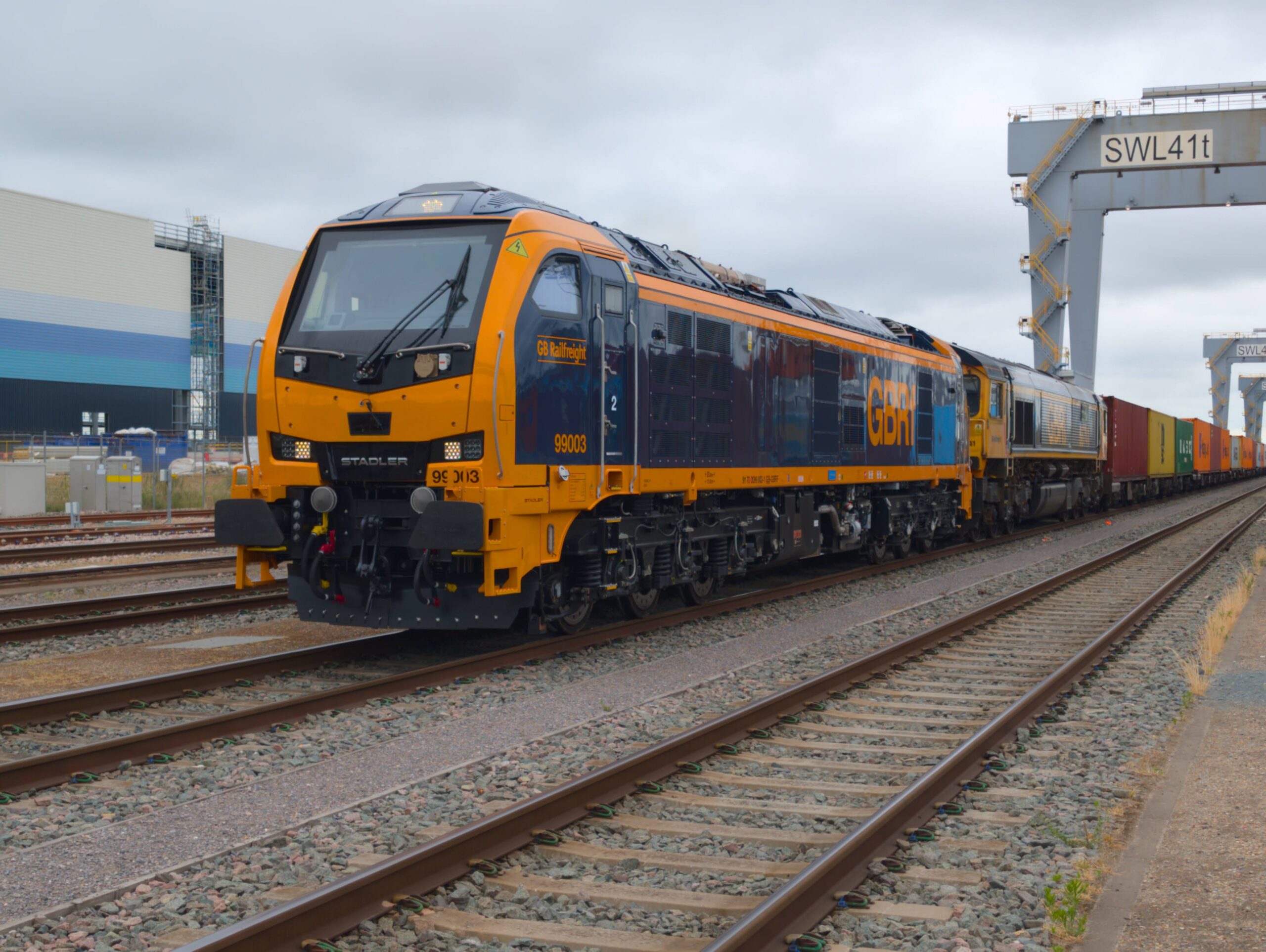
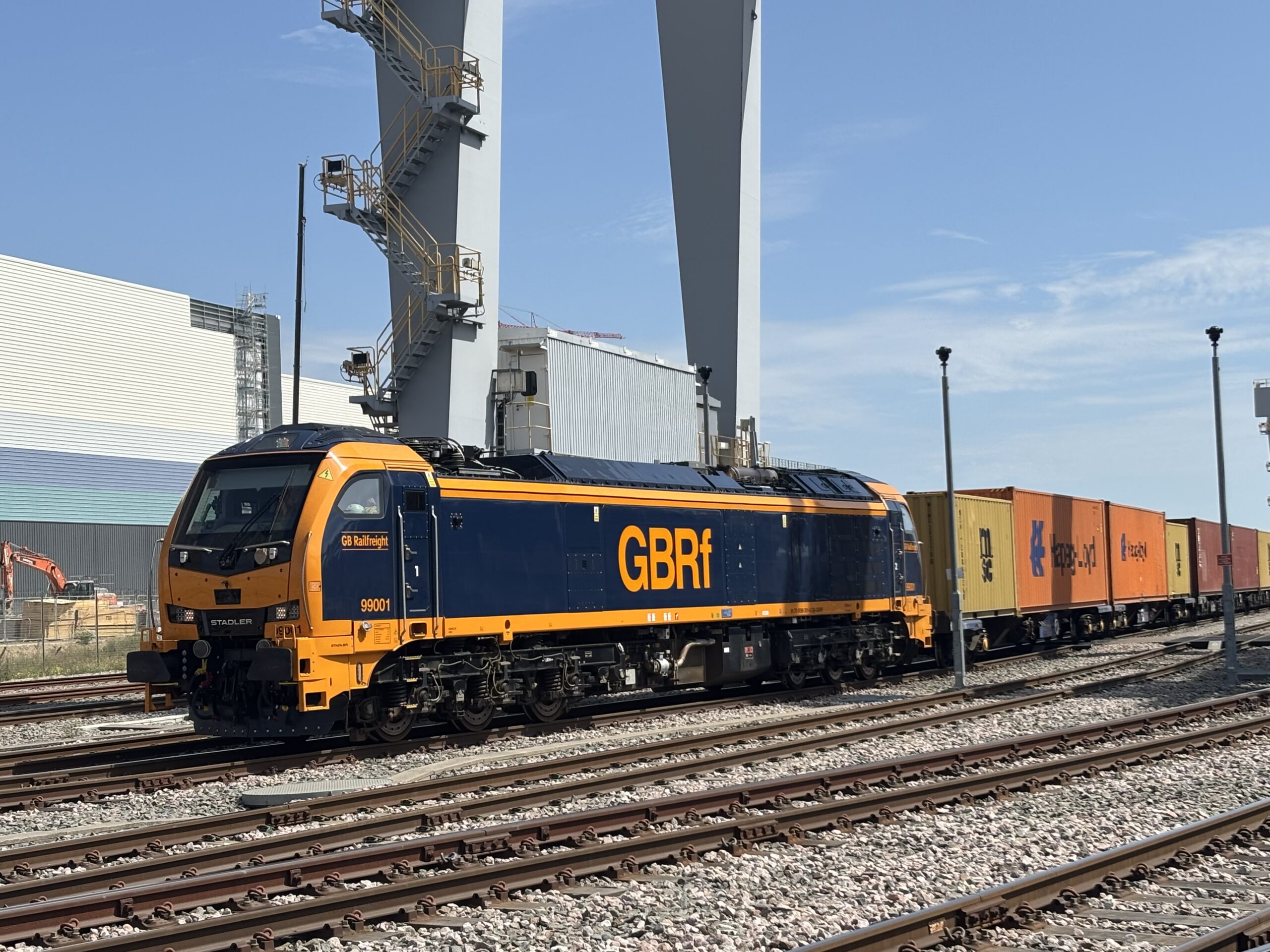
News - September 10, 2026

The Government’s decision to set a target for rail freight growth marks an important moment for the sector and for the wider UK economy.
A commitment to increase rail freight volumes by 40% by 2040, building towards 75% growth by 2050, recognises the critical role rail freight can play in supporting economic growth, improving connectivity and helping to decarbonise the movement of goods across Britain.
Every freight train can remove up to 129 lorries from the road network, helping to ease congestion, improve air quality and reduce carbon emissions, all of which will have major benefits for people across the nation. As the UK seeks to deliver major infrastructure projects, build new homes and strengthen supply chains, rail freight has a vital role to play in moving the materials that will make those ambitions a reality.
From construction aggregates and cement to steel, containers and consumer goods, rail freight already underpins significant parts of the UK’s economy. With the right conditions, there is considerable scope for the sector to do more.
John Smith OBE, Chief Executive Officer of GB Railfreight, said:
“A target of 40% growth by 2040, building towards 75% by 2050, sends a strong signal about the future of rail freight and the contribution our sector can make to the UK economy. The challenge now is delivery. If these targets are to mean anything, the Railways Bill, the Access and Use Policy and GBR’s licence must provide a clear framework for growth. Freight operators need certainty, capacity and fair access to the network if we are to turn Government’s ambition into more freight on rail and fewer lorries on our roads.”
While industry welcomes the ambition, targets alone will not unlock growth. Delivering them will require a railway that actively supports freight, encourages private sector investment and provides long-term confidence for customers and operators alike.
Over recent decades, the rail freight sector has invested billions of pounds in locomotives, wagons, terminals and technology. That investment has been driven by confidence that freight can compete and grow. Maintaining that confidence will be essential if operators are to continue investing in the capacity needed to meet future demand.
Growth will also depend on the railway demonstrating that it is a reliable, high-performing and flexible network. Businesses making long-term investment decisions need confidence that rail can provide the resilience, capacity and service levels required to support modern supply chains. Strong operational performance is not just important for existing traffic; it is essential if rail is to attract new business, unlock private investment and deliver the growth the Government wants to see.
Government also has a critical role to play in creating the right incentives for growth. Alongside a supportive legislative framework, policymakers should make full use of the levers available through rail reform to encourage more freight onto the railway. Measures such as freight growth incentives, access charge mechanisms and targeted support for key commodities can help unlock new traffic flows, stimulate investment and accelerate the shift from road to rail.
This is particularly relevant for the commodities identified as growth opportunities within the target. Schemes such as Mode Shift Revenue Support already demonstrate how targeted incentives can encourage more sustainable freight movements and deliver wider economic and environmental benefits. Building on these this using the provisions set out in the Railways Bill could help turn Government ambition into measurable growth on the network.
The opportunity is particularly significant as Britain embarks on the next generation of infrastructure projects. The Chancellor’s announcement yesterday regarding measures that will speed up major infrastructure projects is both welcome and necessary. Whether building new energy facilities, strengthening the electricity grid, delivering major transport schemes or supporting housing growth, the efficient movement of construction materials will be fundamental to success. Rail freight offers a proven solution, moving large volumes safely and sustainably while reducing pressure on already congested roads.
For that reason, future public infrastructure programmes should be designed with rail freight in mind from the outset. Planning projects around rail-connected supply chains can help reduce costs, lower emissions and accelerate delivery, while creating long-term demand that supports further private investment across the freight sector. Major infrastructure projects provide a significant opportunity to grow rail freight. From carrying aggregates and cement to transporting steel, rail can ensure the materials needed to build Britain’s future are delivered efficiently, reliably and sustainably.
The Government’s growth target provides a welcome statement of intent. The task now is to ensure that rail reform, network access arrangements and the future structure of Great British Railways create the conditions needed to turn that ambition into reality.
That means giving operators the confidence to invest, ensuring customers can rely on a high-performing railway and making full use of the incentives available to stimulate growth. If Britain is serious about delivering new homes, modern infrastructure and long-term economic growth, rail freight must be placed at the heart of those plans from the outset. The opportunity is there. The challenge now is turning ambition into action.


