
 Introduction
Interview with GBRf’s new Non-Executive Director – Jane Mee
Article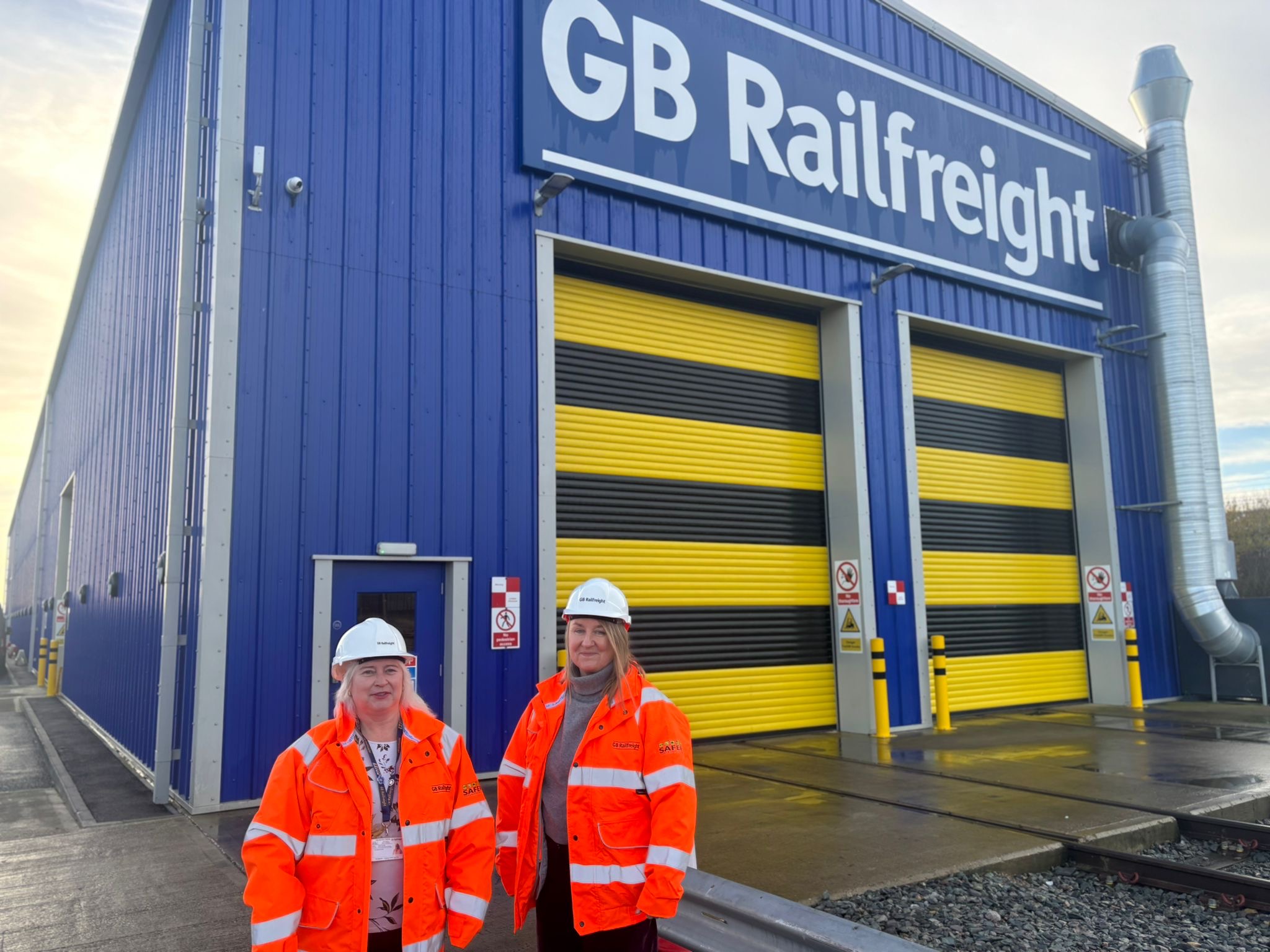

News - March 6, 2026

On the week leading up to International Women’s Day, Carole Godding, Chair of the GBRf Women’s Network, interviewed Jane Mee who is GBRf’s newest Non-Executive Director about her career and life experiences.
Jane, welcome to GB Railfreight. Tell us a little about your background?
Thank you, Carole. I’m delighted to be here. My background is in law, but over the years I’ve worked across rail, infrastructure, and rolling stock manufacturing, taking on broader commercial roles and executive responsibility for various corporate functions. I’ve had a long and varied career, and this opportunity felt like a natural progression.
Can you explain the role of a Non-Exec
The role is primarily about governance. As a non-exec, you provide oversight and constructive challenge to the leadership team. You’re not involved in day-to-day operations but you act as a sounding board and help ensure the business is taking the right strategic and operational steps — whether that’s around safety, finance, risk, commercial arrangements, or people. It’s about bringing perspective and supporting good decision-making.
What inspired you to take on a board-level role?
Honestly, I didn’t set out with that goal. My career has been full of interesting challenges, and over time I gained experience and confidence. A pivotal moment was serving as a trustee on the Hepworth Gallery board in Wakefield. That gave me insight into the non-exec role and showed me the value I could bring. I’ve also worked alongside great NEDs who challenged my thinking.
How did you build the confidence and credibility to step into this role?
Confidence grows through experience —doing your job well, learning from others, and reflecting on what you’ve achieved. Careers are a progression; you deal with challenges, gain perspective, and eventually reach a point where you think, ‘I can contribute at this level’. It’s also important to understand the distinction between executive and non-executive roles. Seeing that difference firsthand helped me prepare.
Many women in GBRf have voiced their struggle with imposter syndrome and overcoming negative self talk. What advice would you give to those doubting their readiness for senior or board roles?
Take time to reflect on your experience. Write down what you’ve achieved and the impact you’ve had — you’ll often surprise yourself. Organisations want committed, capable people, but they’re not mind readers. If you’re interested in progression, articulate that. Remember, you don’t need to tick every box before you apply; you can grow into the role.
As a working mum, how have you balanced family and career?
It’s never easy, and it’s important to be realistic about priorities. When my children were young, I worked flexibly and accepted that progression might slow for a while. I stayed in fulfilling roles and kept gaining experience so that when I was ready to accelerate my career, I could. Your career
is a marathon, not a sprint.
What qualities do women bring to the boardroom?
Diversity of perspective is key. Every individual brings something unique, and balanced boards make better decisions. Women often bring different experiences and viewpoints, which helps avoid groupthink and enriches discussions.
What advice would you give your younger self?
Be open to different approaches. There isn’t just one way to achieve a good outcome. Pause, listen, and learn from others—it’s one of the most valuable lessons I’ve learned.
What practical steps can women take to position themselves for board opportunities?
Explore roles outside your workplace —charity boards, school governors, NHS trusts. Boards often seek technical expertise, so think about what you can offer. And talk to people who’ve done it. Networking and volunteering can open doors.


