
 Introduction
Rail freight returns to Ward’s Nottingham recycling site
Article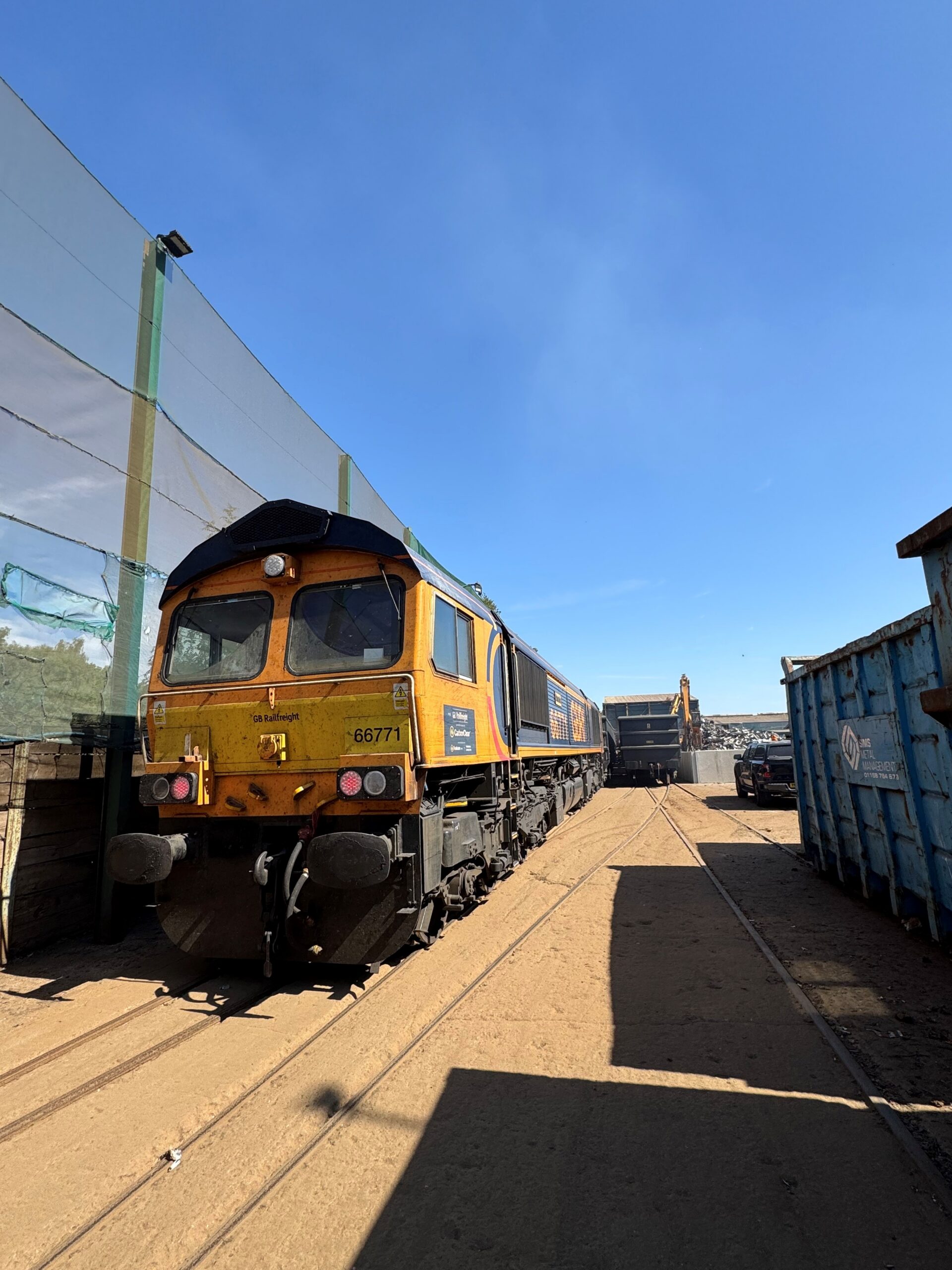
News - November 24, 2026

Rail freight has returned to Ward’s metal processing site in Nottingham for the first time in more than four years, helping recycled metal move more efficiently while reducing the number of lorries required on the road.
GB Railfreight is working with metal recycling and waste management company Ward to operate services from the site, which Ward acquired earlier this year. The first trains began running in August 2026, restoring a rail connection that had been inactive since April 2022.
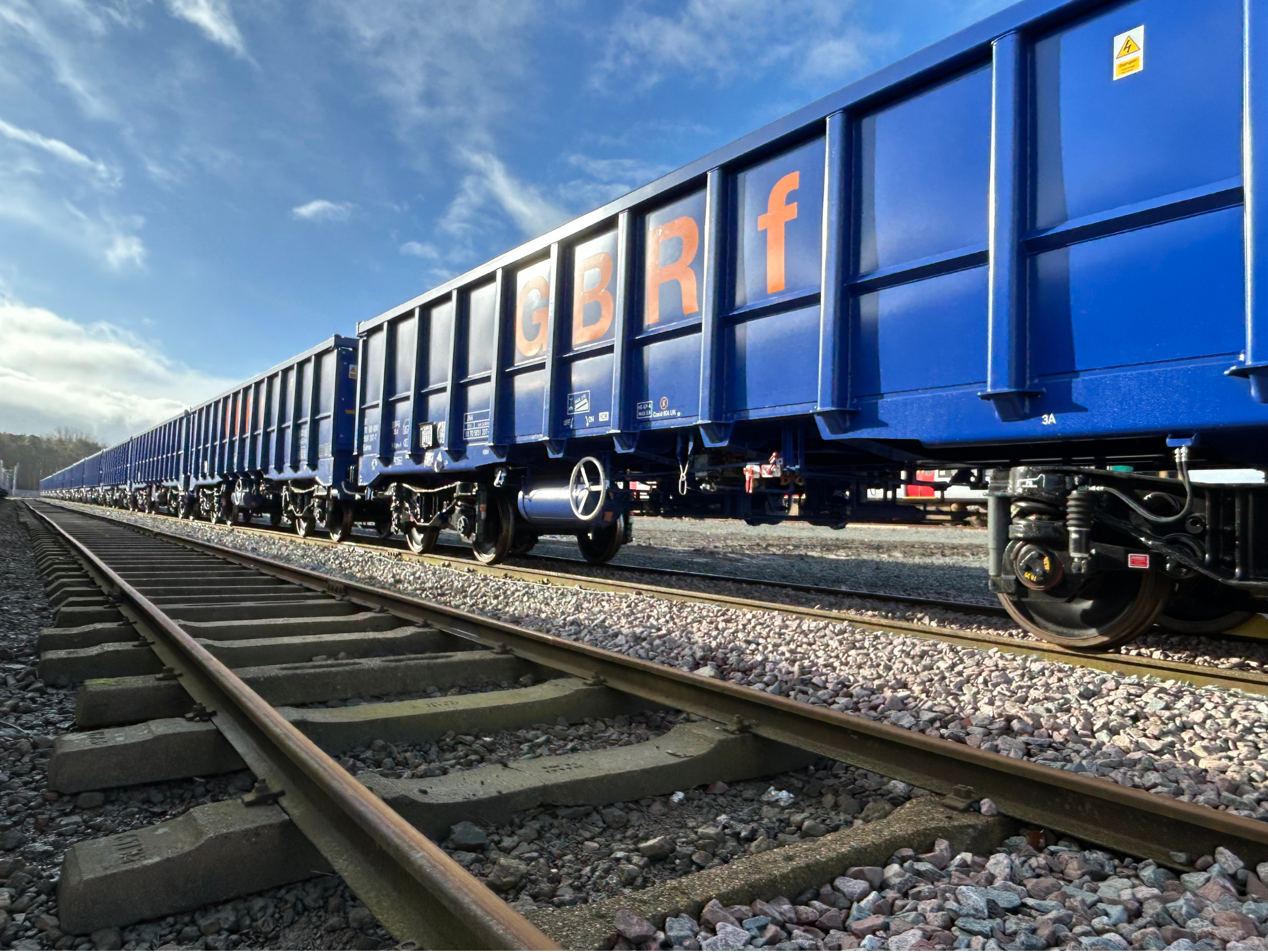
The Nottingham operation is now moving a range of processed ferrous scrap grades to customers in the steel industry. Each train can transport up to 1,800 tonnes of material, equivalent to approximately 72 articulated lorry loads.
Material is sourced from Ward’s 12 sites across the country and checked before being loaded onto rail wagons using mobile cranes and loading shovels. This allows substantial volumes to be moved while maintaining quality control throughout the process.
Phil Amos, Head of Energy & Industrial at GB Railfreight, said:
“It’s fantastic to see freight trains moving out of Nottingham again. Bringing rail back into a site like this is exactly what we want to be doing: moving more material by rail, taking lorries off the road and giving customers a smarter, more efficient way of getting their goods where they need to go. There’s huge potential for rail in the movement of recycled metals, and we’re really pleased to be working with Ward to get this traffic back on the railway.”
Thomas Ward, Commercial Director at Ward said:
“As the demand for recycled metals continues to play an important role in the transition towards a more circular economy, efficient and lower-carbon transport infrastructure is essential to ensuring scrap metal can be moved reliably to where it is needed.
“The return of rail freight offers significant potential environmental and logistical benefits. Each train can transport up to 1,800 tonnes of material per day, equivalent to taking approximately 72 articulated lorries off the road.
“Rail also provides a more direct route into receiving facilities, helping to reduce the number of vehicle movements required within sites and supporting more streamlined material handling.
“By combining our on-site processing expertise and working with GBRf as a dedicated rail freight partner to reinstate established material supply routes we can provide a robust link between scrap metal collection, processing and the steelmaking supply chain.”


